


PFAS and contaminated land - where the work is, and why good people are hard to find
PFAS and contaminated land - where the work is, and why good people are hard to find
Contaminated land has been steady work for years, but PFAS is the part that keeps the phone ringing. If you've got real experience here, you're in a good spot. If you're thinking about where to point your career next, it's worth understanding why.
PFAS turns up in soil and groundwater across a long list of sites - Defence land, airports, fire-training grounds, landfills, and plenty of industrial and mining sites. It's a legacy of firefighting foams and decades of industrial use, and the awkward part is that it doesn't break down. Once it's found, someone has to assess it, manage it and, where they can, remediate it. That's not a short job, and it's not going away.
Here in WA the issue is firmly on the regulator's radar. DWER published a report on PFAS ambient concentrations across the south-west in March 2026, which keeps it front of mind for both government and proponents. The practical upshot is steady investigation and remediation work for consultancies that know what they're doing.
The catch for employers, and the opportunity for candidates, is that the people who can do this work well are thin on the ground. Contaminated land specialists with genuine PFAS experience are scarce relative to demand, and that's been pushing salaries up. It's a similar story across parts of WA ecology, where experienced flora and fauna people are hard to find, but PFAS-literate contaminated land consultants are a particular gap.
The roles back this up. There's no shortage of live contaminated land work in Perth at the moment, across the bigger consultancies and the specialists, covering site investigations, remediation strategies and ongoing management. The work is there. The people aren't.
So where does that leave you?
If you're an experienced PFAS or contaminated land consultant, you have leverage right now. That shows up in salary, but also in the things that are harder to put a number on - flexibility, the type of projects you take on, who you work for. It's worth knowing what the market is actually paying before you have that conversation, rather than guessing.
If you're a mid-career environmental scientist weighing up where to specialise, building contaminated land and PFAS skills now is a sensible bet. The regulatory pressure isn't easing, the legacy sites aren't shrinking, and the shortage of experienced people isn't going to fix itself quickly.
Either way, if you want a straight read on where you sit against current rates, or you'd like to know what we've got live, get in touch. No pressure, just a sensible conversation.
careers@gatherrecruitment.com.au (08) 9288 1707
This is the biggest shake-up to federal environment law since the EPBC Act came in back in 1999, and it's not a someday thing. It's happening now, and if you work in approvals, assessment or ecology, it's going to land on your desk.
Download the 2026 Australian Environmental Salary Survey. Salary benchmarks for environmental consultants, ecologists, hydrogeologists, contaminated land specialists, approvals professionals and sustainability practitioners across Australia
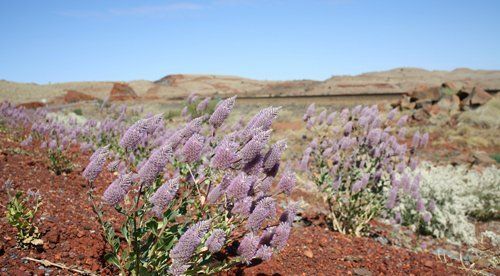
If you're a botanist looking for new job opportunities, this blog post offers the top 10 job hunting tips tailored specifically for botanists. Additionally, discover the ten most common interview questions asked in botany-related job interviews, along with expert tips on how to prepare and answer them effectively to stand out in your next interview.
