


Australia's new environment laws are landing - what it means if you work in approvals or ecology
Australia's new environment laws are landing - what it means if you work in approvals or ecology
This is the biggest shake-up to federal environment law since the EPBC Act came in back in 1999, and it's not a someday thing. It's happening now, and if you work in approvals, assessment or ecology, it's going to land on your desk.
Here's the short version of where it's at. The reform bills passed late in 2025. The first batch of changes has been in effect since 20 February 2026. A new national environmental regulator - the National Environmental Protection Agency - starts on 1 July 2026.
Most of the rest of the reforms are in by 1 December 2026, with a handful of items (like the removal of the forestry exemption) not biting until July 2027. So this rolls out in stages over the next 18 months rather than all at once.
The change that matters most for the actual work is the shift to a "Net Gain" test. The old standard was "no net loss" - a project had to avoid leaving the environment worse off. Net Gain raises the bar: a project now has to show it delivers an overall environmental benefit.
Alongside that there are new national standards for Matters of National Environmental Significance and for offsets, the three old assessment pathways collapse into a single streamlined one, and the new regulator comes with stronger enforcement powers and bigger penalties. In plain terms, the rules are tighter, the bar is higher, and there's now a body with the teeth to enforce it.
So what does that mean if you're working in the sector?
If you're in approvals or EIA, expect demand to hold up. Proponents and consultancies need people who actually understand the new standards and can get projects through a system that's still bedding in. There's a real premium on knowing the new pathway early while everyone else is still working it out.
If you're an ecologist, botanist or offsets specialist, Net Gain plays straight to you. Designing and defending an outcome that delivers a genuine net benefit is harder than ticking a no-net-loss box, and the people who can do that credibly are going to be worth more. The new offsets standard pushes in the same direction.
For everyone, more enforcement means more compliance, audit and monitoring work, not less. And here in WA, where assessment timeframes on resources and renewables projects were already long, this adds another layer to get across.
None of this is a reason to panic, but it is a reason to keep an eye on the market. When the rules change, the people who understand them first tend to do well out of it. If you're weighing up a move, or just want a read on where your skills sit against what clients are now asking for, it's worth a quiet chat.
To talk it through, get in touch: careers@gatherrecruitment.com.au (08) 9288 1707

Contaminated land has been steady work for years, but PFAS is the part that keeps the phone ringing. If you've got real experience here, you're in a good spot. If you're thinking about where to point your career next, it's worth understanding why.
Download the 2026 Australian Environmental Salary Survey. Salary benchmarks for environmental consultants, ecologists, hydrogeologists, contaminated land specialists, approvals professionals and sustainability practitioners across Australia
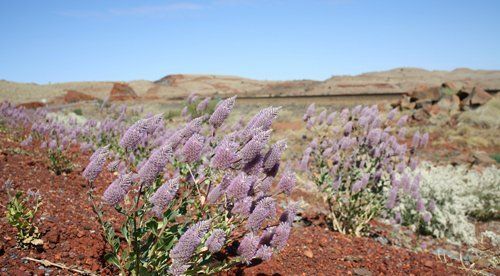
If you're a botanist looking for new job opportunities, this blog post offers the top 10 job hunting tips tailored specifically for botanists. Additionally, discover the ten most common interview questions asked in botany-related job interviews, along with expert tips on how to prepare and answer them effectively to stand out in your next interview.
